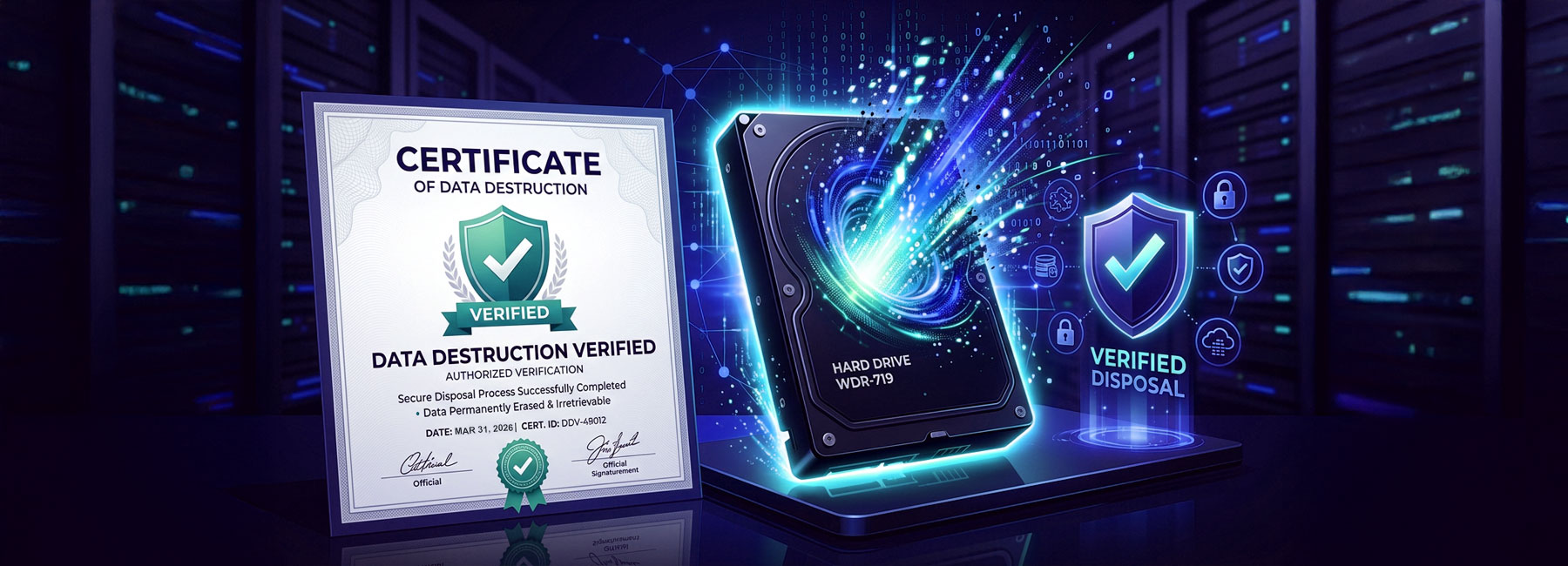
Why a Certificate of Data Destruction Is Non-Negotiable
Deleting data isn’t enough. A Certificate of Data Destruction provides verifiable proof that devices were securely wiped and compliant with regulations

Deleting data isn’t enough. A Certificate of Data Destruction provides verifiable proof that devices were securely wiped and compliant with regulations

Continuous firmware monitoring strengthens SI-7 compliance with real-time integrity checks, faster detection, and a more trustworthy system foundation.

Unmonitored firmware weakens SI-7 compliance and exposes systems to attack. Discover how to close hidden security gaps.

Windows 10 end of life is near—what will you do with devices that can’t upgrade? FirmGuard SecureWipe helps you retire them securely, remotely, and fast.

Most patching strategies stop at the OS. But attackers aren’t. It’s time to bring BIOS firmware management into the center of your security strategy.

BIOS firmware is a rising cybersecurity blind spot. Learn how FirmGuard helps financial institutions detect, protect, and comply at the firmware level.

BIOS management secures firmware from threats. With FirmGuard, update and configure BIOS remotely—boosting security, compliance, and control.

Effective BIOS management is crucial for NIST 800-53 compliance, ensuring system integrity, preventing malware, enforcing secure boot, and mitigating firmware risks.

SecureWipe ensures complete, remote data erasure for lost or retired devices, meeting strict compliance standards and preventing unauthorized access.
RMM tools secure OS layers but leave BIOS vulnerable. Learn how FirmGuard bridges the gap with remote BIOS protection, updates, and forensic wiping.